 University of North Texas


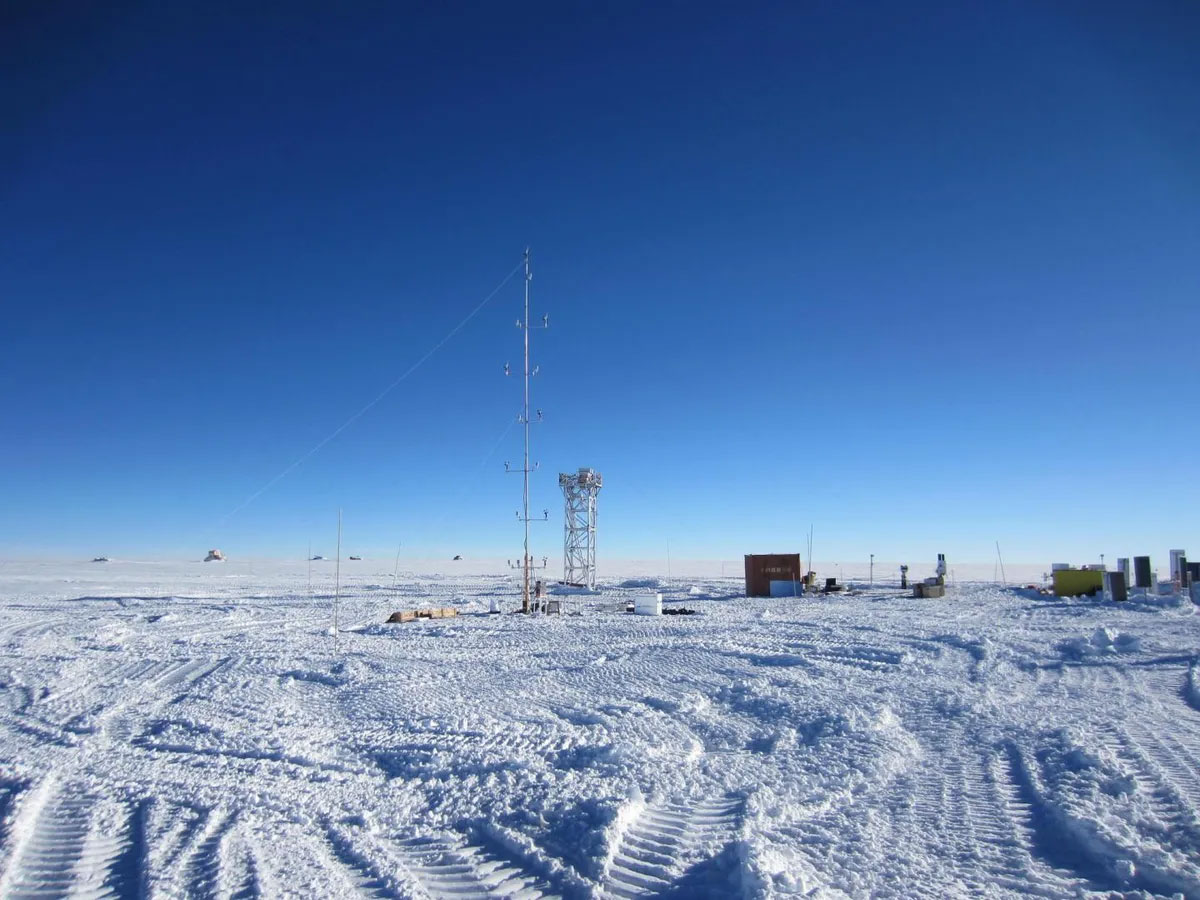
Dome A in Antarctica Is the best site for optical astronomical observation on Earth.
Credit: SHANG Zhaohui
UNT xREZ Director Ruth West Explores Public VR Design in Distinguished Lecture
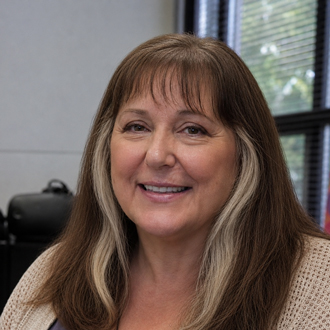
Professor Ruth West, Ph.D.
May 2026 — Ruth West, professor and director of the UNT xREZ Art and Science Lab, was selected as the 2026 distinguished lecturer for the IMMERSE Seminar Series at the University of Illinois Urbana-Champaign.
West presented “Beyond the Headset: Social and Spatial Design for Public VR,” a lecture
exploring the design of her interactive multiplayer VR installation, “INSTRUMENT | One Antarctic Night,” which transforms astronomical data from Antarctica into an immersive experience
of light, sound and collaborative performance.
The project draws from more than 758 million data points collected by telescopes at
Dome A, Antarctica — one of the clearest places on Earth to observe space because
of its long winter darkness, stable atmosphere and minimal light pollution. The installation
reimagines virtual reality as a shared public experience, inviting spectators and
participants alike into an evolving environment shaped by scientific discovery and
artistic interaction.
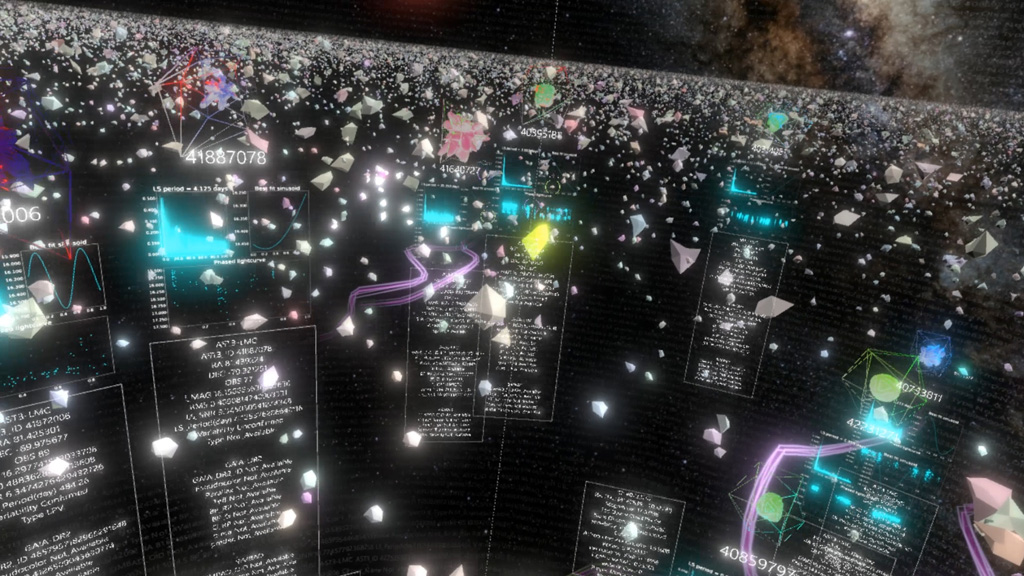
Dr. West's image depicts objects in space created by data points allowing viewers
to see the previously unseen through VR rather than traveling to Dome A, which has
an average annual temperature of −68ºF.
Developed in collaboration with astrophysicist Lifan Wang and an international research
team, the project uses real astronomical data collected during one full Antarctic
night to create a new form of immersive storytelling.
Located in the UNT Art Building, the xREZ Art and Science Lab is an interdisciplinary
research lab founded in 2006. The name xREZ is short for cross-resonance, representing
the lab's mission to bridge the gap between art and science to explore new technologies.
The lab specializes in Extended Reality (XR), immersive full-body virtual reality,
3D audio and data visualization.
The project is supported in part by the National Endowment for the Arts.