University of North Texas


Cornerstone Grant Award Advances CVAD Faculty Research and Teaching in Chile
CVAD faculty member Rachel Black participated in an international field experience in sub-Antarctic Chile, supported by a Cornerstone Grant that advances interdisciplinary research, creative practice and teaching.

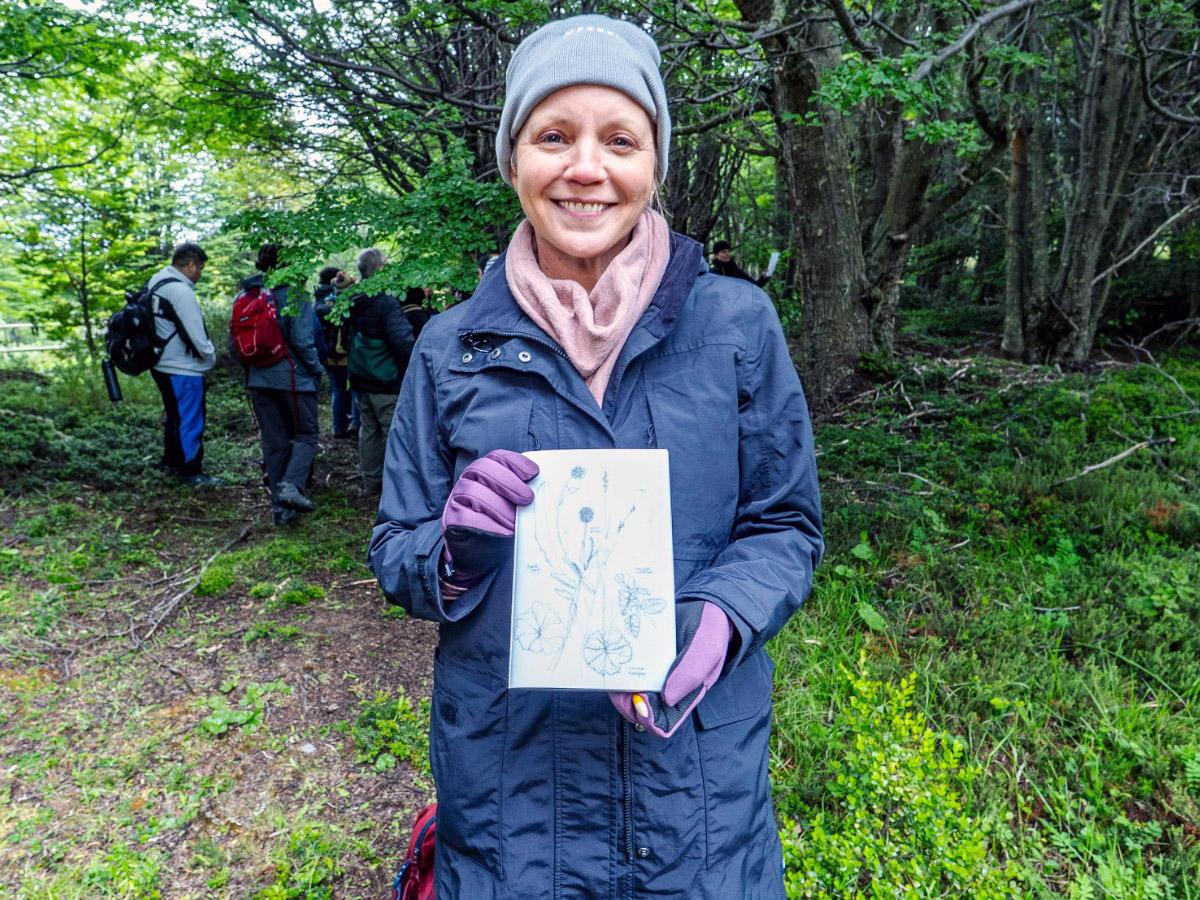
Rachel Black, M.F.A., principal lecturer in CVAD Foundations.
In 2022, CVAD launched its first college-level competitive funding program to support
faculty research. Since its inception, the program has seed-funded numerous faculty
projects, underscoring the breadth, relevance and impact of scholarship across the
college.
In spring 2025, Rachel Black, principal lecturer in Foundations, received a $1,000 CVAD Cornerstone Grant to support
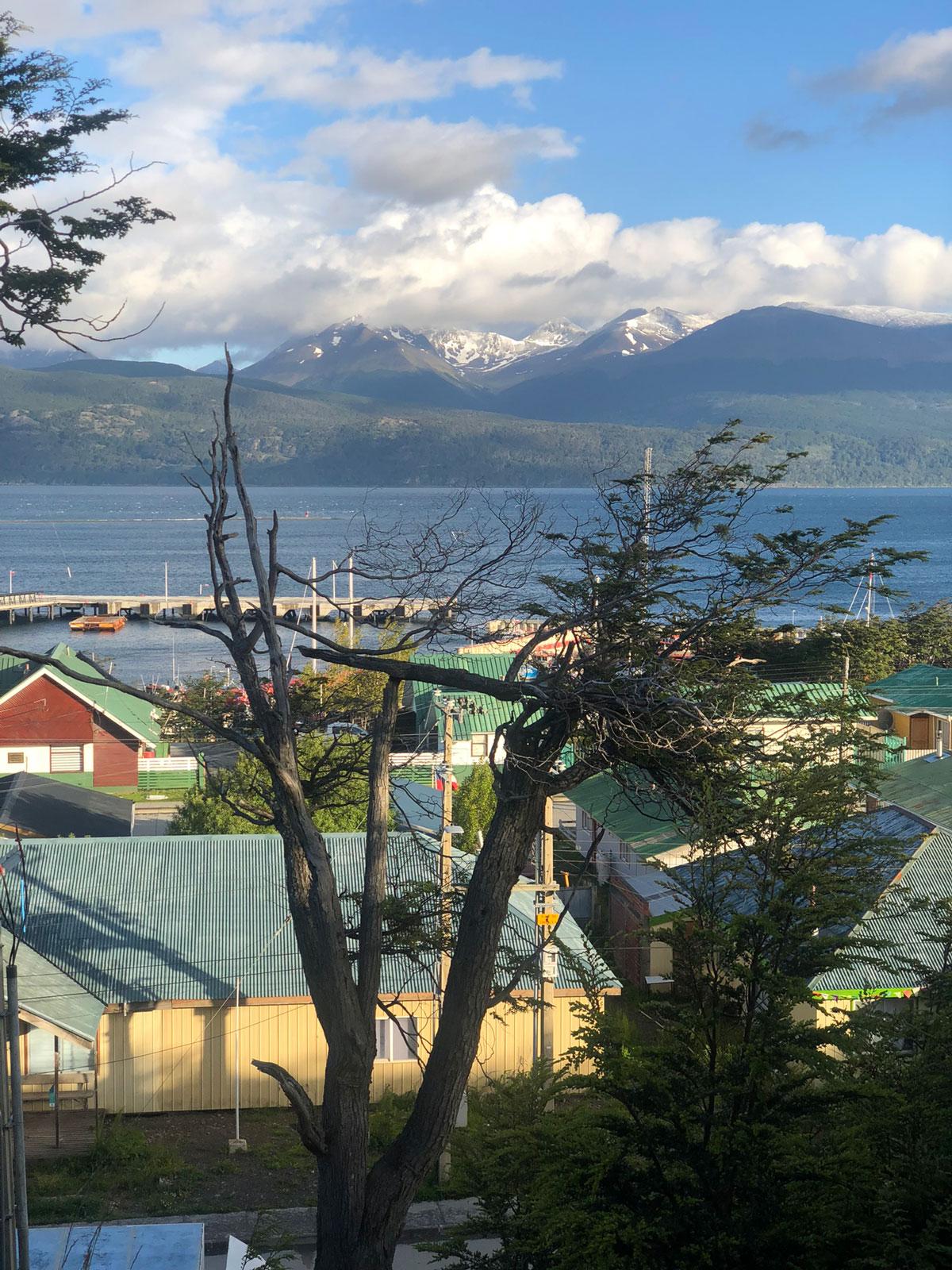
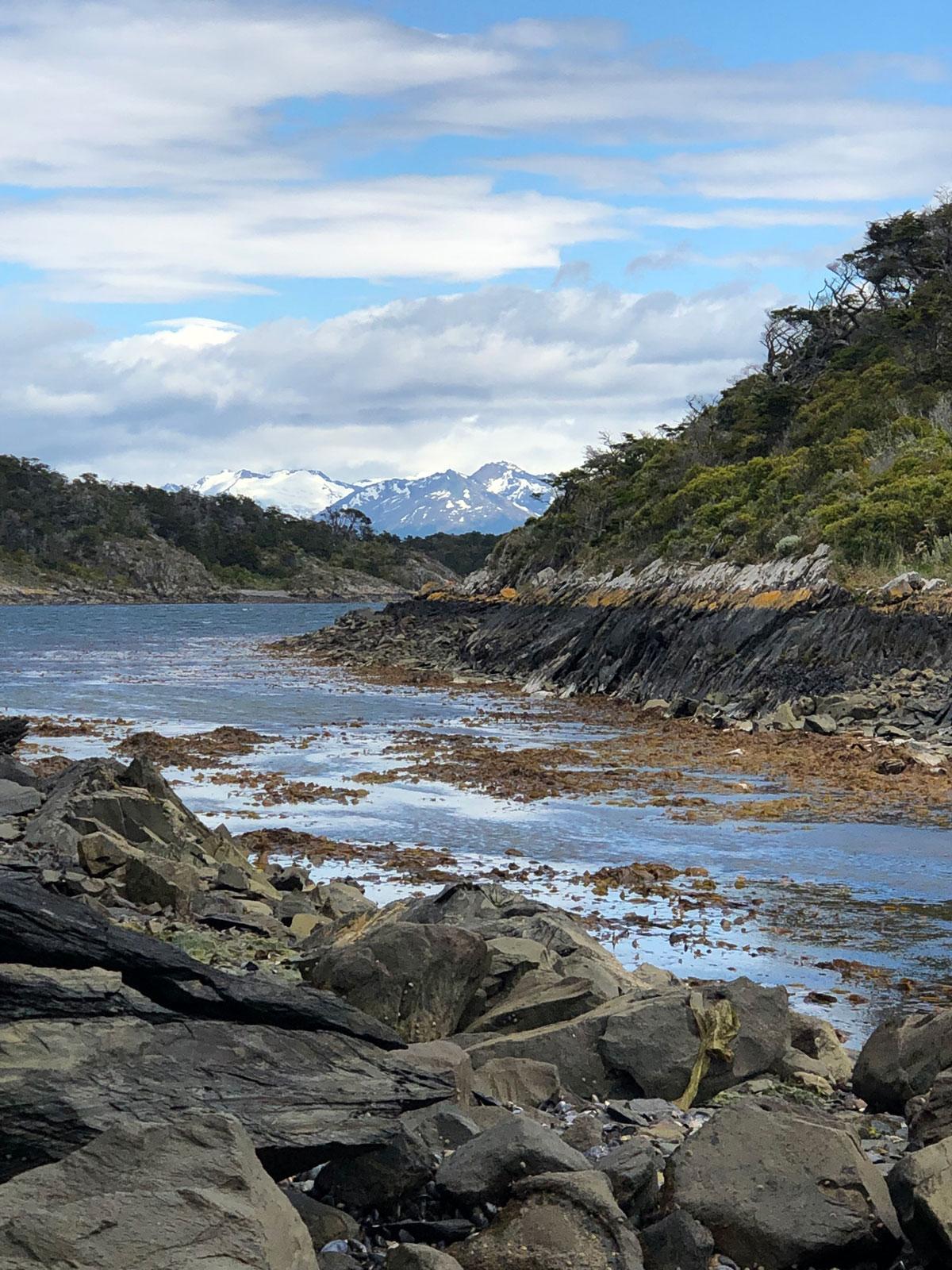
travel to the Cape Horn International Center in Puerto Williams, sub-Antarctic Chile, during the area's peak of summer.
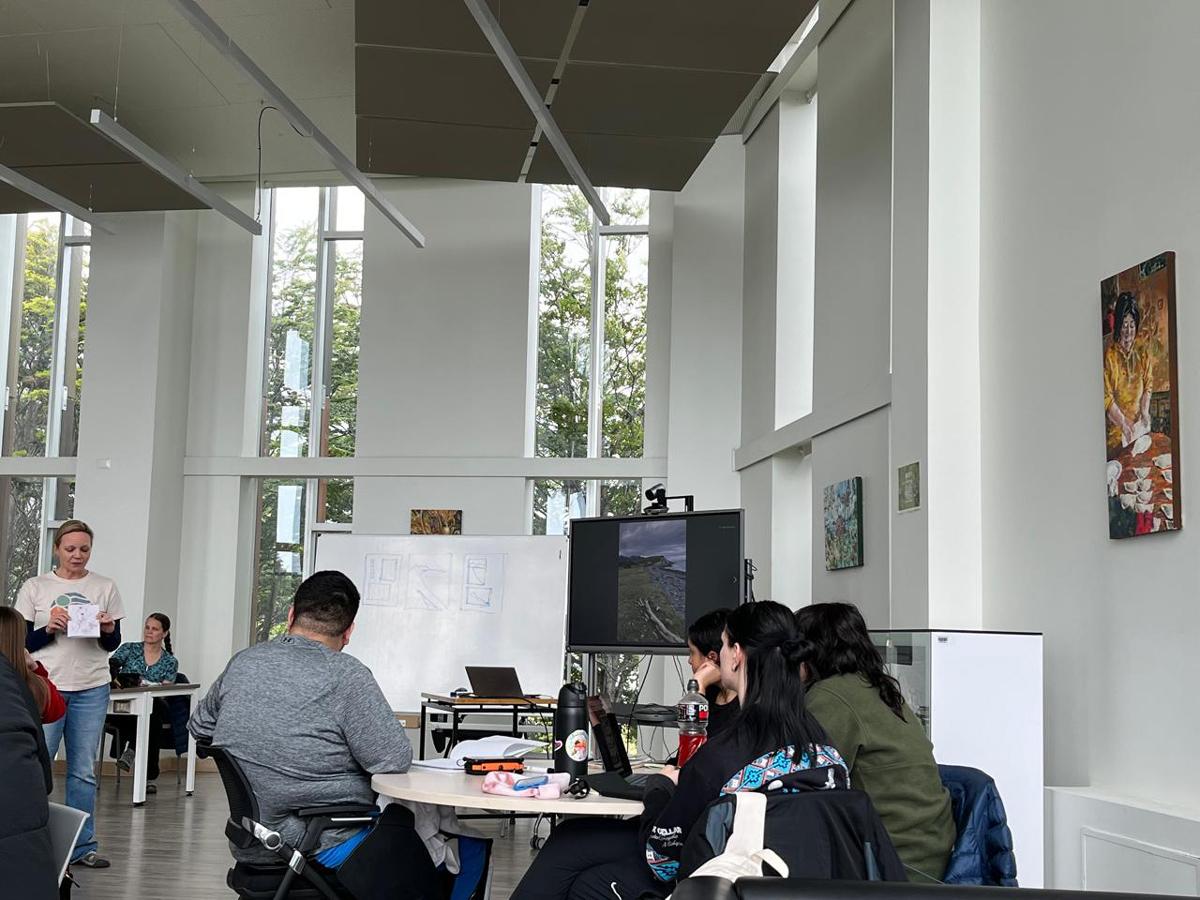
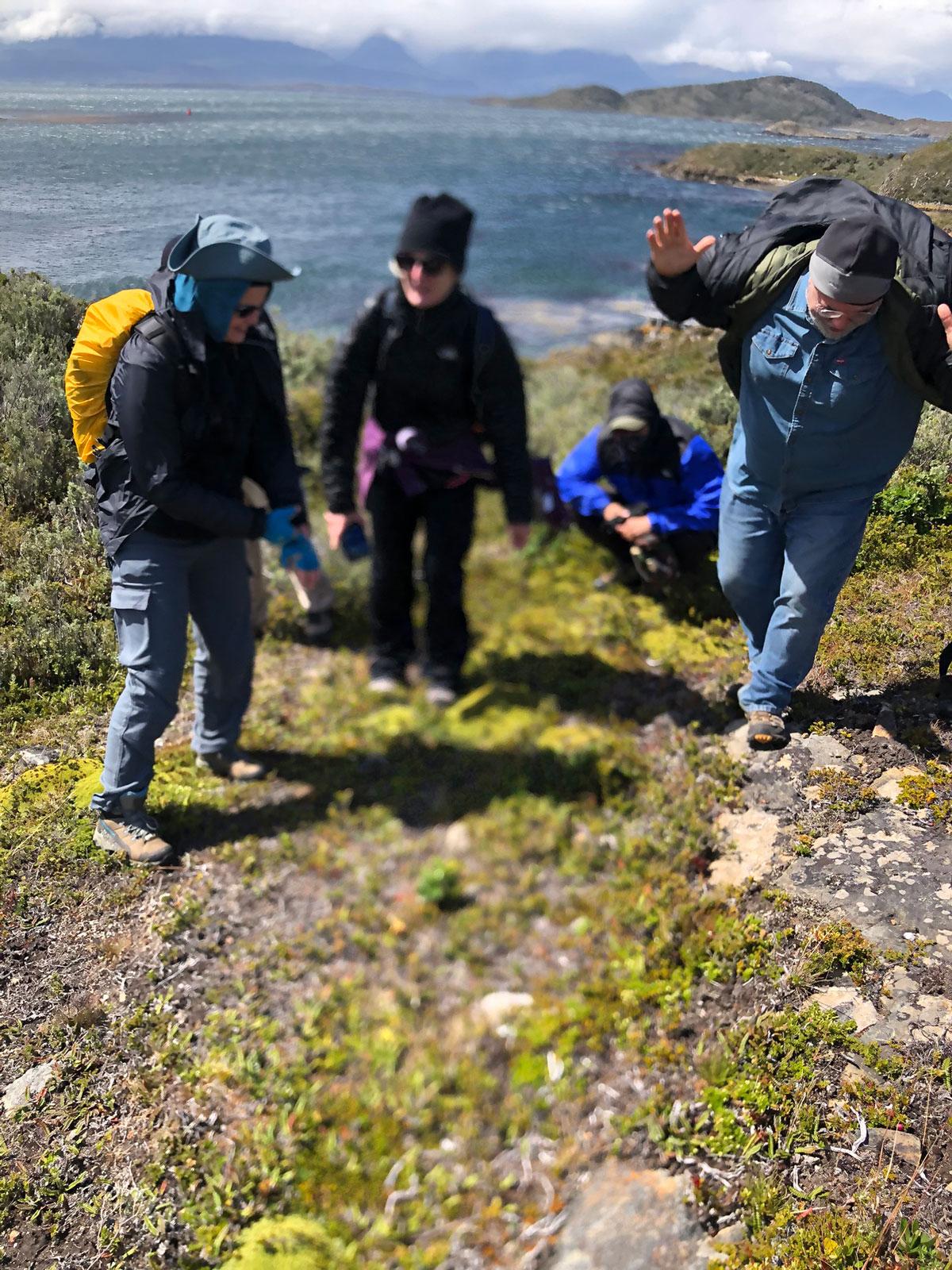
In January 2026, Black served as guest faculty at the center, collaborating with international
researchers and students from UNT and the University of Magallanes in Punta Arenas,
Chile. Additional invited faculty included Elaine Pawlowicz, CVAD associate professor of studio art: drawing and painting, and Raina Joines, principal lecturer in English in UNT’s College of Liberal Arts and Social Sciences.
The UNT study abroad course Tracing Darwin’s Path was led by Chilean-born Ricardo Rozzi, professor of philosophy and religion, College of Liberal Arts and Social Sciences,
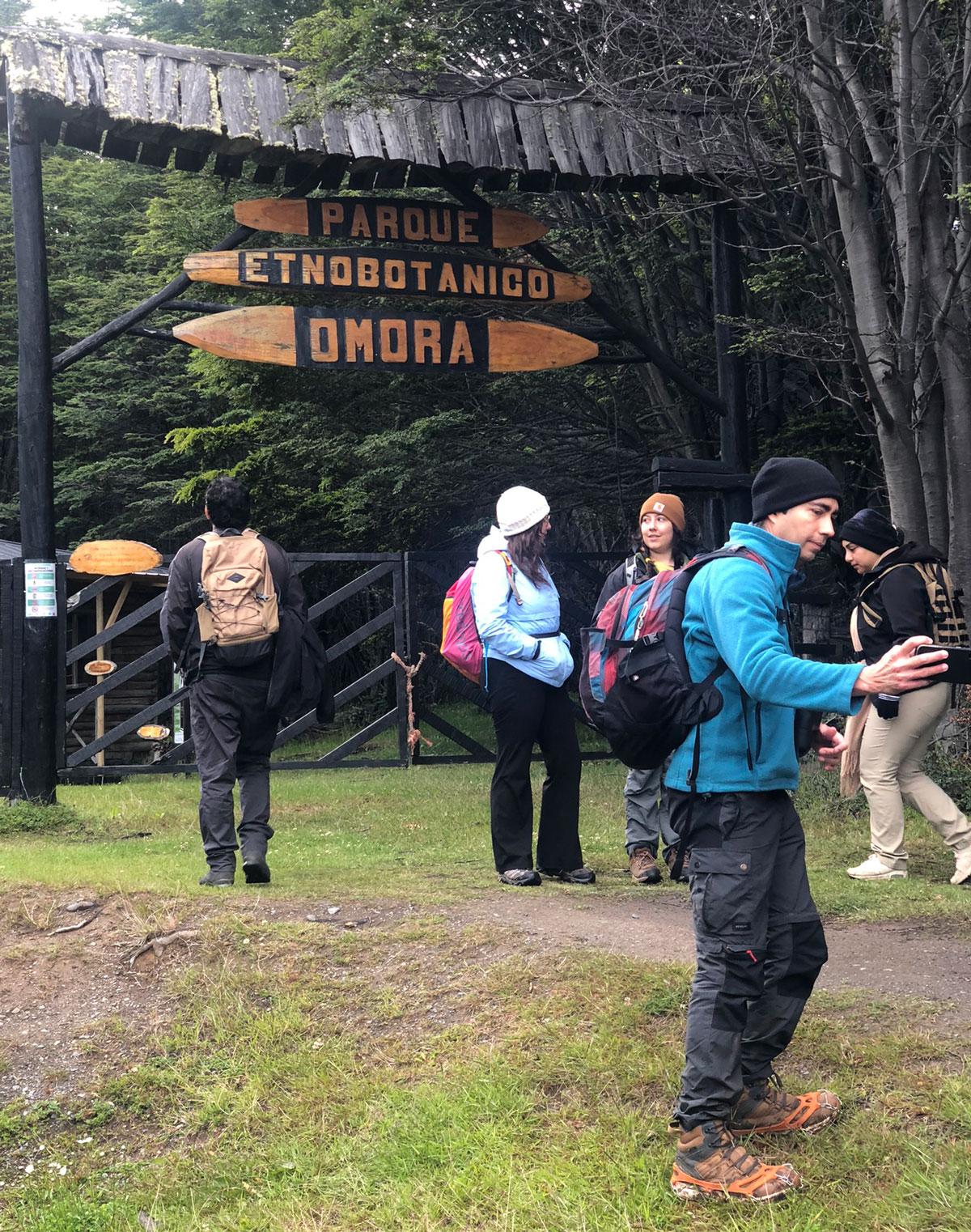
and Zacchaeus Compson, assistant professor of biology, College of Science. During the annual two-week field-experience
course, UNT participants worked closely with faculty from the University of Magallanes
as well as graduate and doctoral students.
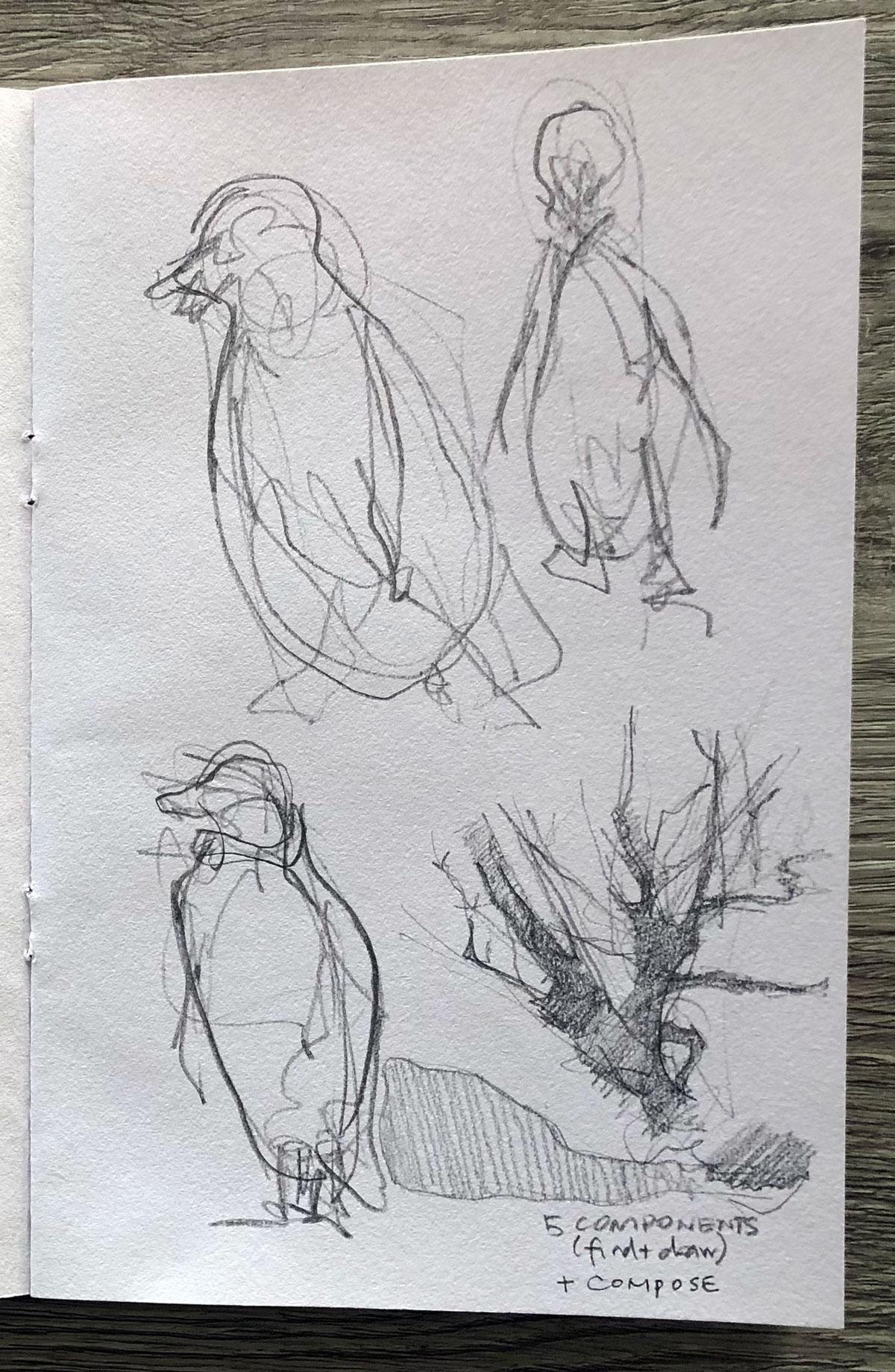
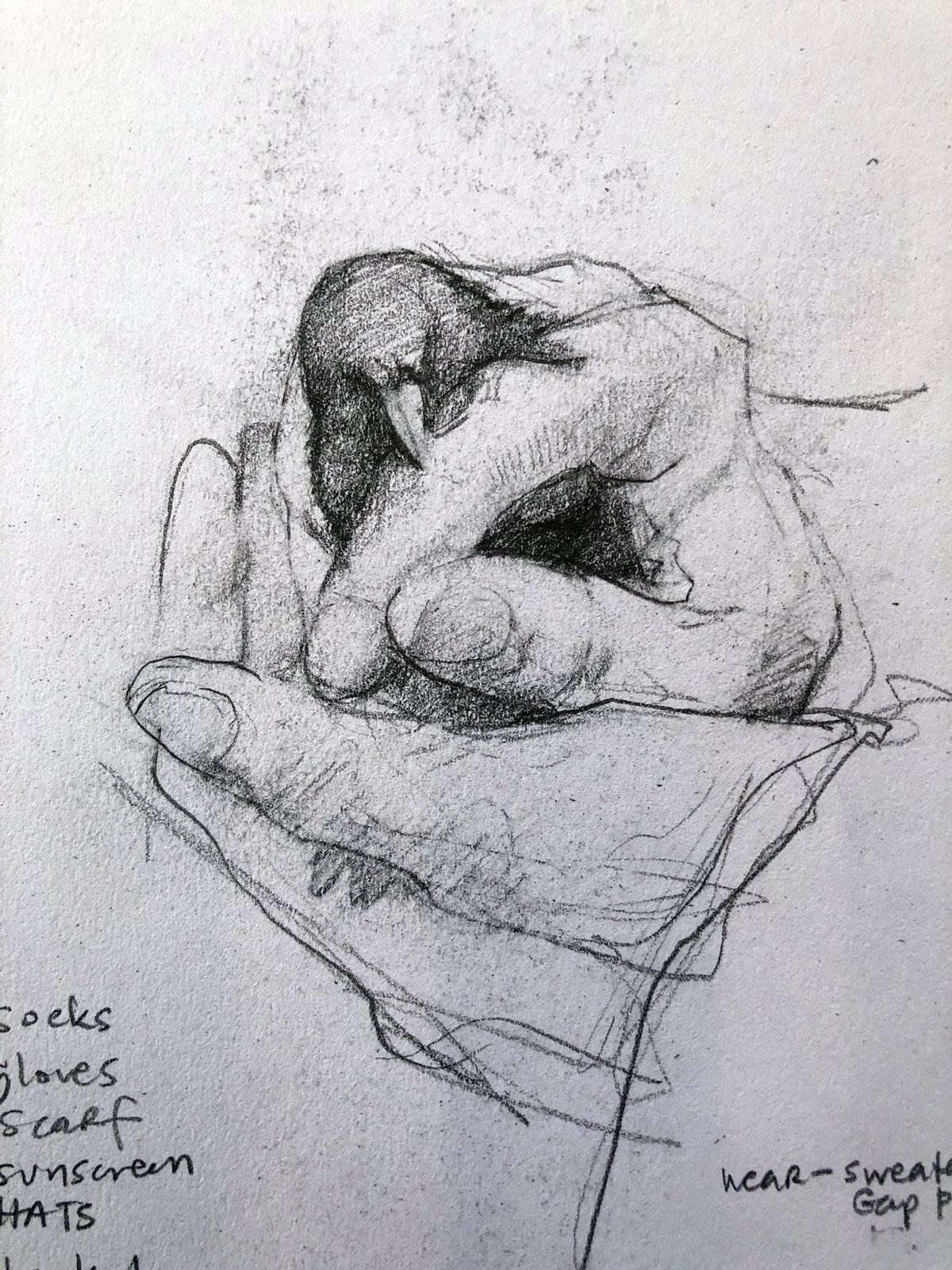
Students participated in art workshops and field sketching activities and joined scientists
in the field conducting environmental DNA, or eDNA, water sampling, bird population
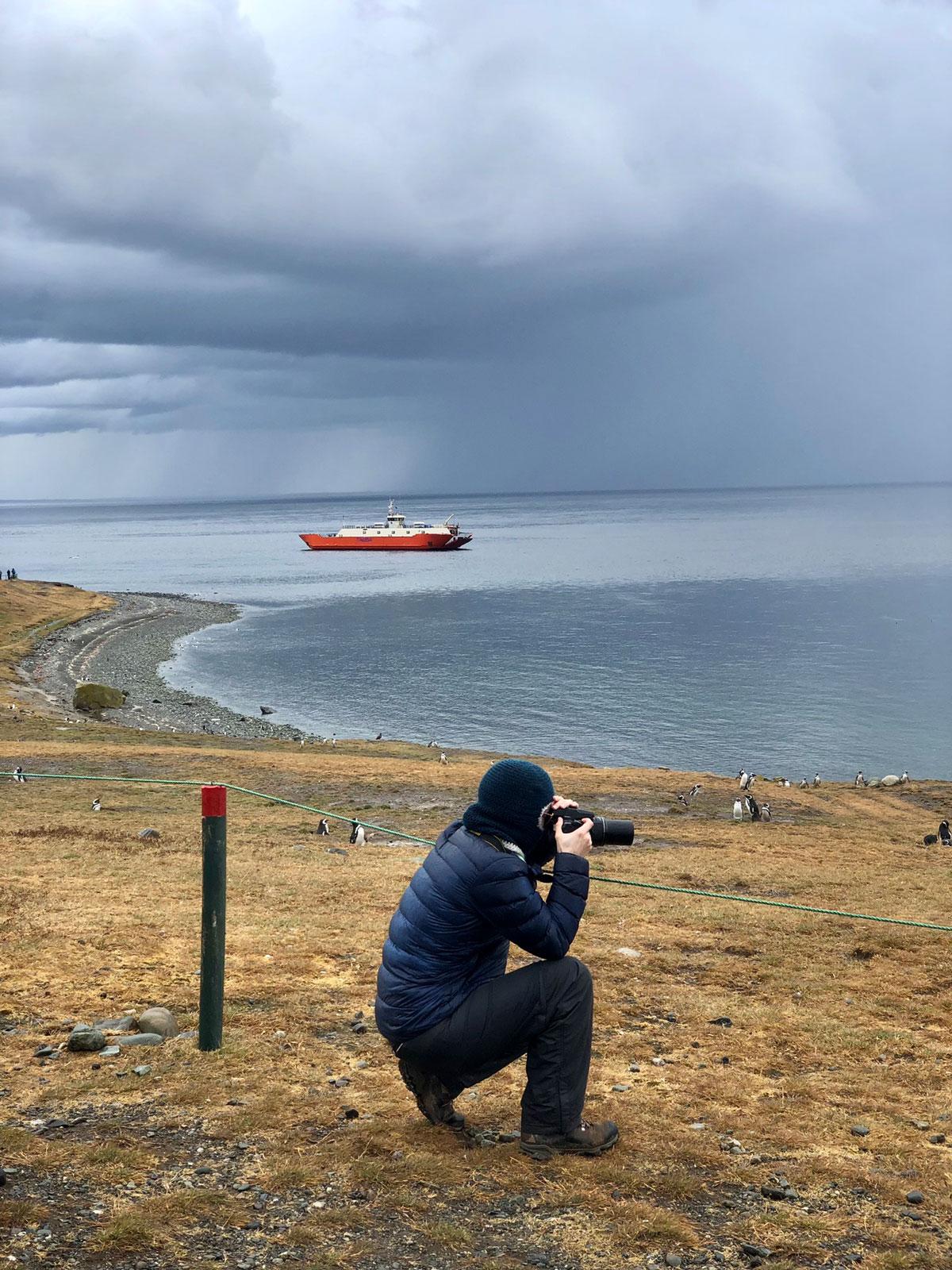
studies and invasive rodent research. Course activities also included visits to Magellanic
penguin colonies on Isla Magdalena, a tour of the studio of Chilean artist Paola Vezzani, a visit to a replica of the HMS Beagle and camping at Peninsula Gil on Navarino
Island.
The HMS Beagle was a 10-gun Cherokee-class brig-sloop launched in 1820 and is best
known for its role in the 1831–36 circumnavigation that informed the scientific work
of Charles Darwin.
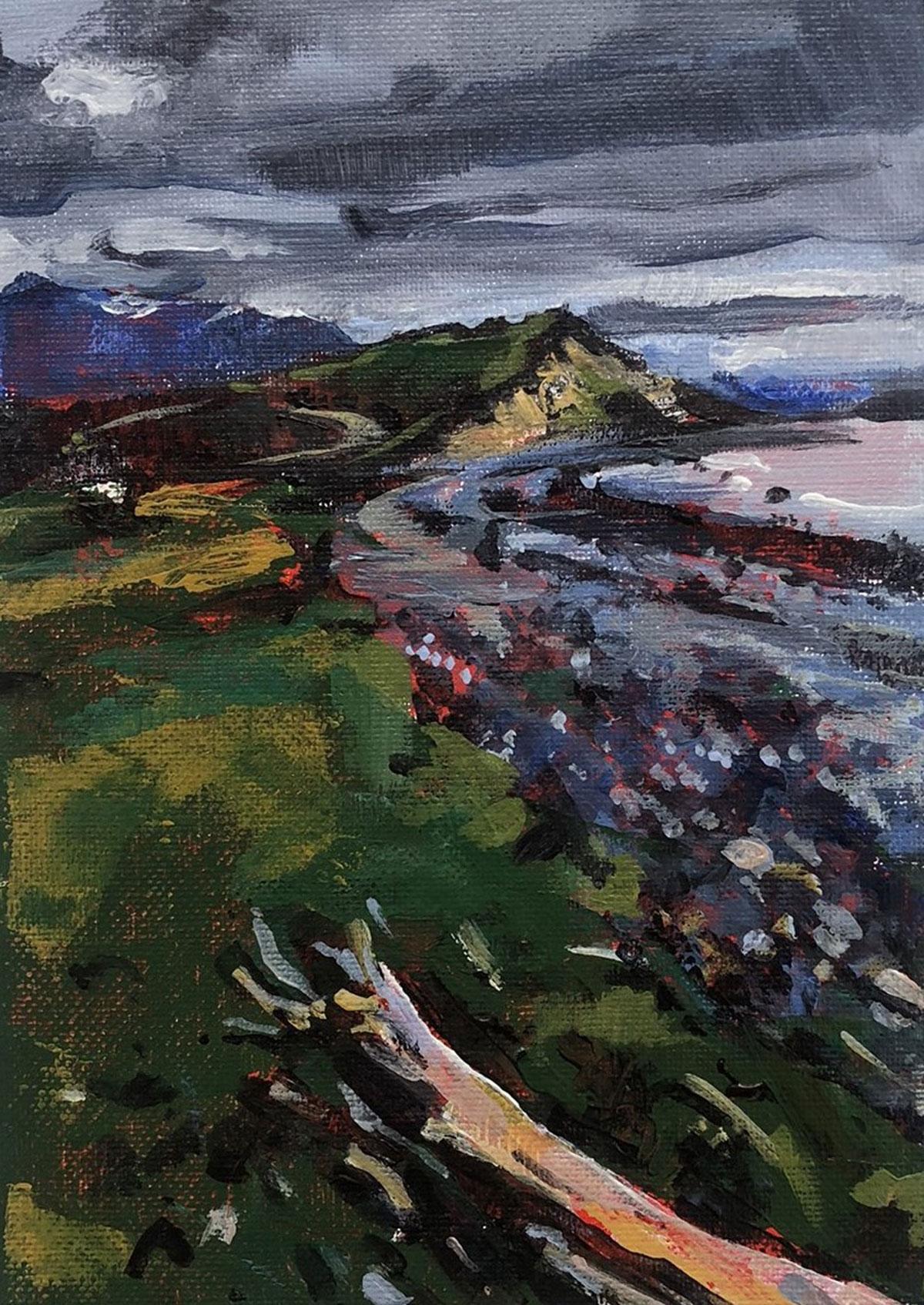
“My experiences in Chile will enrich and inspire my artwork and my teaching,” said
Black. “Most notably, I’m interested in applying Rozzi’s field environmental philosophy
methodology, a transdisciplinary, four-step methodology that integrates ecological
sciences, ethics, and arts to reconnect people with local ecosystems. It also includes
recognition and appreciation of the three H’s — habitat, habits and co-inhabitants.
I am very thankful to CVAD for funding this opportunity. My travel was also graciously
supported by the CVAD Foundations program and CHIC.”
FEP is an interdisciplinary educational and research methodology that bridges ecology
and ethics to foster a “biocultural ethic” that reconnects citizens with nature.
Black, a 2006 CVAD alumna, holds an M.F.A. in Studio Art: Drawing and Painting and
has taught at UNT since 2003. She has also taught workshops at the Modern Art Museum
of Fort Worth, Texas, and the Irving Arts Center, Irving, Texas, worked as a staff
member at the Amon Carter Museum of American Art, Fort Worth, Texas, and exhibited
her work throughout the Dallas-Fort Worth region. Black served as the inaugural Artist-in-Residence
at Valles Caldera National Preserve in Jemez Springs, New Mexico, in 2025.
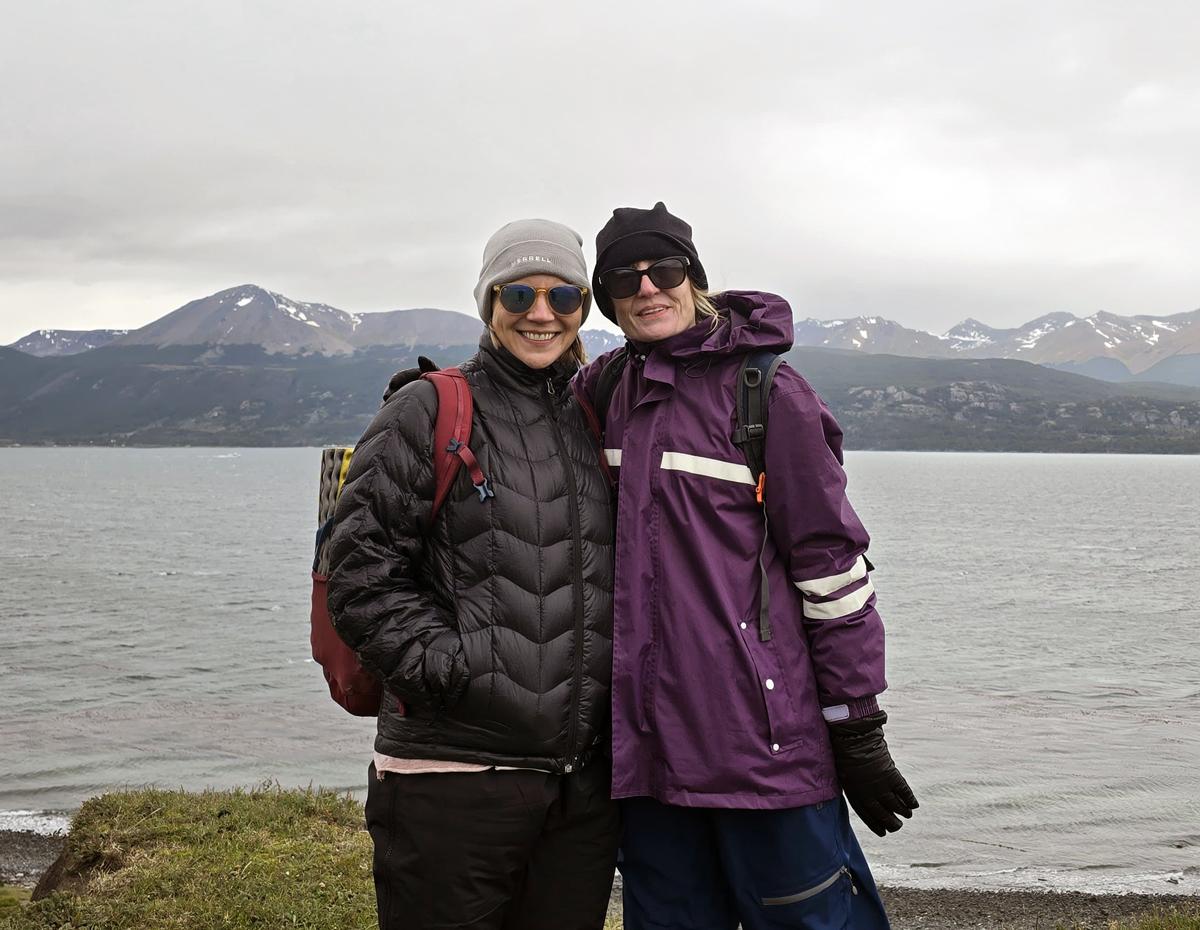
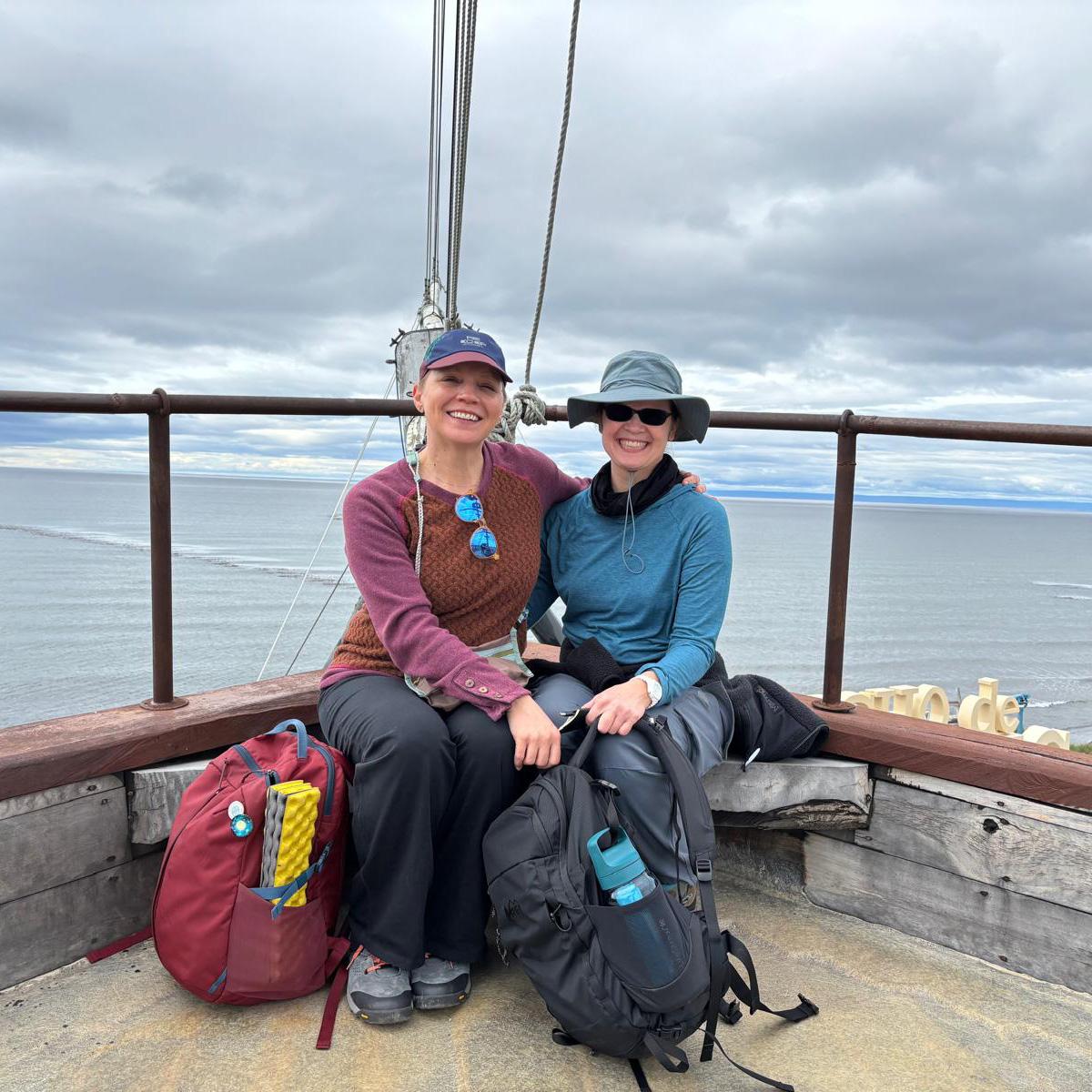
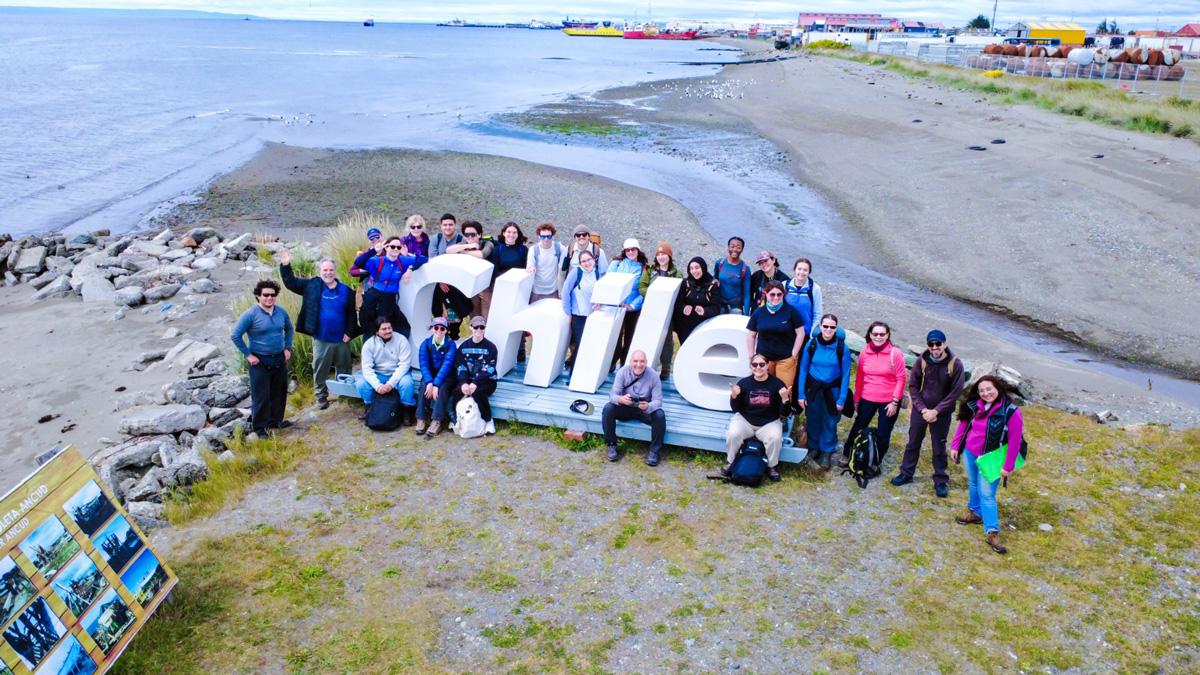
Trip Photos
Courtesy of Rachel Black